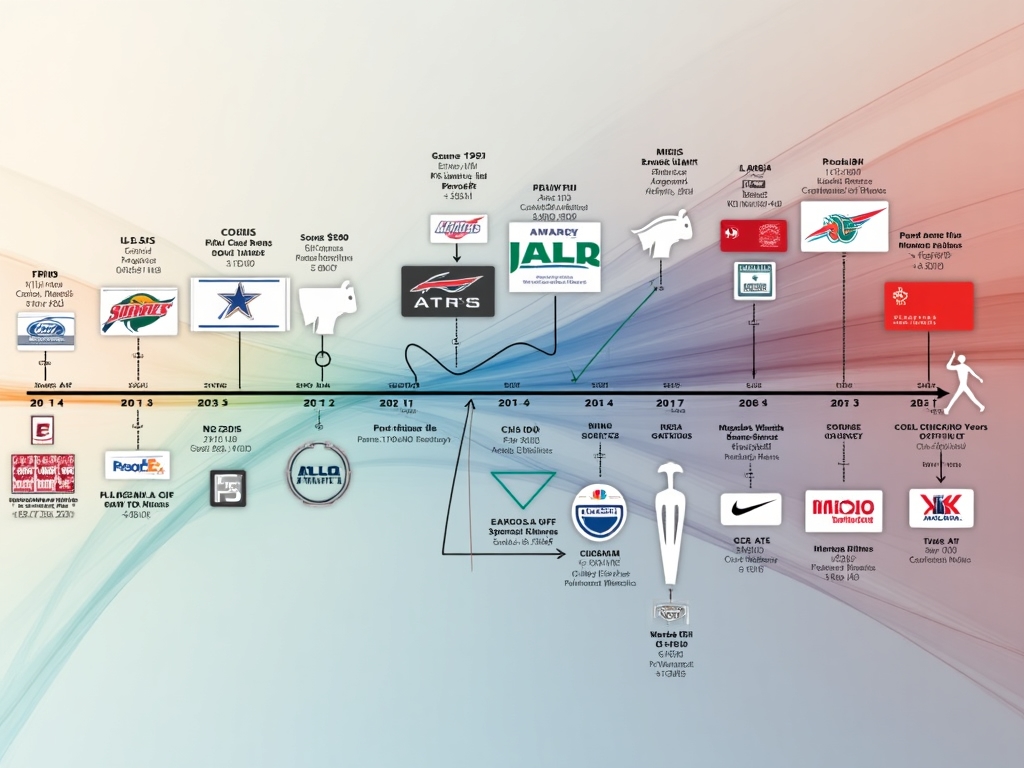
From paper certificates to digital innovation: Tracing the journey of gift cards in the sporting goods industry
The concept of gift cards revolutionized retail by solving the perennial problem of gift selection while driving business growth.
Before dedicated gift cards emerged in the retail landscape, paper gift certificates were the standard offering for consumers who wanted to give the gift of choice. These paper certificates, while revolutionary for their time, presented numerous challenges including ease of counterfeiting, tracking difficulties, and redemption complications.
The sporting goods industry was relatively late to adopt gift card technology compared to general retail. While department stores began implementing plastic gift cards in the early 1990s, specialized sporting goods retailers didn't widely embrace the technology until the early 2000s. This delay was largely due to the fragmented nature of the sporting goods market and the specialized inventory management systems that many sports retailers utilized.
The first sports-specific gift cards appeared around 2003, when major sporting goods chains recognized the potential for increased sales and customer engagement. These early cards featured simple designs and limited functionality but marked an important shift in how consumers gifted sporting equipment and apparel.
First general retail plastic gift cards introduced in the U.S. market
Major sporting goods retailers begin offering dedicated gift card programs
Introduction of reloadable sports gift cards with loyalty program integration
First digital sports gift cards launched for online and mobile redemption
Integration of NFC technology for contactless gift card redemption in stores
Blockchain-based gift card solutions emerge for enhanced security and tracking
The earliest form of sports gift giving came in the form of paper gift certificates. These certificates were typically handwritten or printed on specialized paper with security features to prevent duplication. Sporting goods retailers would issue these certificates in specific denominations, and customers would present them at checkout for redemption.
While revolutionary for their time, paper certificates presented numerous challenges:
The introduction of plastic gift cards transformed the sporting goods industry's approach to gift-giving. These durable, trackable cards featured magnetic stripes that could be loaded with specific values and tracked through centralized systems.
Key advancements during this period included:
The most recent evolution in sports gift cards has been the shift toward digital solutions that offer unprecedented convenience and flexibility.
Today's digital gift card innovations include:
How gift cards revolutionized the sporting goods retail landscape
The introduction and evolution of gift cards fundamentally transformed the sporting goods industry in several key ways:
Gift cards have become a powerful tool for introducing new customers to sporting goods retailers. Research shows that 63% of gift card recipients who hadn't previously shopped at a particular sporting goods store became repeat customers after redeeming their gift card. The data also reveals that gift card recipients spend an average of 48% more than the value of their card when making a purchase.
The sporting goods industry traditionally experiences significant seasonal fluctuations, with peaks during holiday seasons and before major sporting seasons begin. Gift cards have helped stabilize cash flow throughout the year, as purchases often occur during peak gift-giving seasons while redemptions are spread more evenly throughout the year. This pattern has allowed retailers to better manage inventory and staffing levels.
The shift to digital gift cards has accelerated the omnichannel strategy for sporting goods retailers. Digital cards have created new touchpoints for customer engagement, providing retailers with valuable data on consumer preferences and shopping patterns. This digital integration has also facilitated personalized marketing opportunities based on gift card purchases and redemption behaviors.
| Year | Market Size | Digital Share | Growth Rate |
|---|---|---|---|
| 2010 | $1.2 billion | 4% | 8.3% |
| 2015 | $2.1 billion | 18% | 11.8% |
| 2020 | $3.6 billion | 42% | 14.2% |
| 2025 (projected) | $5.8 billion | 67% | 10.5% |
Emerging technologies and trends shaping the next generation of gift card solutions
The next frontier for sports gift cards extends beyond physical merchandise to include immersive experiences. Virtual reality training sessions, augmented reality product previews, and digital coaching are becoming integrated with gift card offerings. Recipients can now redeem cards for both equipment and digital experiences that enhance their athletic performance.
Leading sporting goods retailers are already experimenting with gift cards that unlock exclusive VR content when purchasing equipment, creating a seamless blend between physical products and digital training resources.
Security innovations are transforming how gift cards are accessed and redeemed. Biometric authentication—including fingerprint scanning, facial recognition, and voice verification—is being integrated into gift card systems to prevent fraud and enhance the user experience.
This technology allows gift card recipients to access and redeem their cards without physical cards or remembering account details, simply using their unique biological identifiers. This advancement is particularly valuable for high-value sports equipment purchases where security is paramount.
Blockchain technology is revolutionizing gift card security and transferability. By creating immutable records of gift card transactions, blockchain prevents fraud while enabling new features like partial transfers, secure peer-to-peer gifting, and transparent tracking of card usage.
This technology also facilitates the creation of "smart" gift cards with programmable features such as automatic value increases for early redemption, loyalty bonuses, or special offers when used for specific product categories. Several major sporting goods retailers have begun pilot programs implementing blockchain-based gift card systems.
"The evolution of sports gift cards reflects broader changes in retail technology and consumer expectations. What began as simple paper certificates has transformed into sophisticated digital instruments that drive customer engagement and provide valuable data insights. Looking ahead, we'll see gift cards become increasingly personalized, with AI-driven recommendations and dynamic values based on user behavior. The future is not just about giving a gift card—it's about giving a personalized sporting experience."
Experience the latest in sports gift card technology with SportGiftCard Galaxy
Contact Us Today